
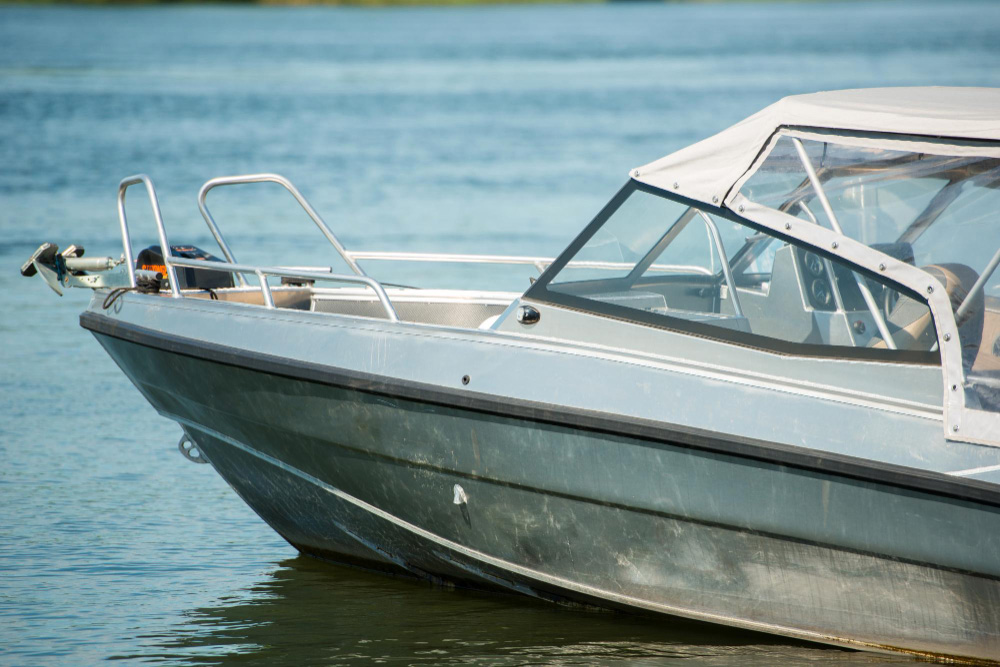
Cleaning aluminum boats takes more than soap and water when oxidation, waterline stains, and marine grime have built up. Start with a fresh-water rinse, then use a cleaner suited to the surface and condition of the aluminum. For larger jobs, our Slimy Grimy Granular formula can be mixed with water and applied with a pump sprayer according to product directions.. After cleaning, polishing and sealing can help restore the finish and slow future oxidation. Interior surfaces need their own care, while regular rinsing, proper storage, and prompt stain removal make future deep cleaning easier.
Aluminum boats are workhorses. They handle rough conditions, saltwater, and years of use. Without regular care, however, the finish can develop oxidation, waterline staining, algae stains on boat bottom, and other marine grime. Soap and water can remove loose dirt, but stubborn stains and oxidation need a cleaning approach suited to the surface.
The right cleaning routine helps keep aluminum looking better for longer while making it easier to spot corrosion, damaged areas, and other maintenance issues early.
Aluminum may look tough, but the surface still needs the right cleaning method. Harsh or unsuitable cleaners can damage finishes or leave unwanted residue. Black streaks and oxidation can also develop over time, especially with exposure to moisture, salt, and weathering. The cleaning process depends on whether you are dealing with painted, anodized, or bare aluminum, as well as the type and severity of the staining.
Oxidation is a common cause of the dull, chalky appearance seen on older aluminum boats. Exposure to air, moisture, salt, and weathering contributes to surface oxidation. Scrubbing harder is not always the answer. A cleaner formulated for the surface can help lift oxidation and marine stains without relying on excessive abrasion.
At Slimy Grimy, we offer products designed for stubborn boat stains and marine buildup. Our Slimy Grimy Granular formula can be mixed with water and applied with a pump sprayer for larger cleaning areas. Always follow the product directions and test an inconspicuous area when appropriate.
Work in a shaded area when possible. Direct sunlight can heat aluminum and cause cleaning solutions to dry before you can rinse them. Have your supplies ready before you begin so you can work in manageable sections.
Before applying cleaner, rinse away loose salt, sand, dirt, and other debris with fresh water. Gather a hose, soft brush or sponge, appropriate cleaner, clean rinse water, gloves, and eye protection. Follow the safety directions on the product label, and never mix cleaning chemicals unless the manufacturer specifically instructs you to do so.
Use a marine-grade soap and a soft-bristle brush, working from top to bottom. Rinse thoroughly before moving to the next step because soap residue can reduce the effectiveness of the aluminum cleaner.
Apply the cleaner according to the product directions, allowing it to work for the recommended amount of time before rinsing thoroughly. This dwell time helps break down oxidation and lift embedded marine stains. Scrub gently with a soft brush and rinse each section completely.
Metal restorers are designed for surfaces that have gone long periods without cleaning. They remove severe oxidation and prepare the aluminum for polishing.
Apply aluminum polish in small sections using a buffing pad. Work in circular motions with a power buffer or drill attachment for an even finish. Follow the restorer with a finer polish to bring out the shine.
Rinse the surface thoroughly and inspect it in good light. Look for remaining stains, streaks, oxidation, corrosion, or areas that need another controlled treatment.
The right boat stain remover can make stubborn marine stains easier to address than a general-purpose household cleaner. Choose a product based on the surface, stain, and manufacturer directions.
Once the aluminum is clean and polished, protection can help slow the return of oxidation and staining. The correct product depends on the boat’s finish, so check the manufacturer’s recommendations before applying wax or sealant.
Choose a wax, polymer sealant, or other protective product that is compatible with your aluminum surface and existing finish.
Apply the product in manageable sections and follow the recommended amount, drying time, and application method.
If the product requires buffing, use the recommended cloth or pad and work until the surface has the finish described on the label.
Outdoor storage, saltwater use, UV exposure, and frequent use can shorten the life of a protective coating. Follow the product directions for reapplication rather than relying on a fixed schedule.
The hull is only one part of the cleaning job. Interior areas can collect dirt, fish residue, salt, mildew stains, and other grime. Clean each material according to its care requirements.
Results can vary based on the boat’s finish, age, stain type, oxidation level, and previous maintenance. Our Before and After Boat Cleaning Results page shows examples of what targeted cleaning can accomplish. Use these examples as a visual reference, not as a guarantee of a particular result.
Fresh-water rinsing removes salt and loose contaminants before they dry and build up.
A suitable cover can reduce direct exposure to sun, rain, and debris when the boat is stored.
Use a wash area that handles runoff properly and follow local rules for cleaning products and wastewater.
Fresh stains are generally easier to remove than buildup that has been left on the surface for months.
Use routine cleaning as an opportunity to look for corrosion, pitting, damaged coatings, loose hardware, or other issues that need attention.
Some cleaning jobs are better handled by a professional, especially when oxidation is extensive, the surface has significant pitting or corrosion, a coating has failed, or you are unsure which treatment is safe for the finish. A professional can assess the condition before aggressive cleaning or polishing makes the problem worse.
If you are unsure which Slimy Grimy product or cleaning approach fits your boat, contact us. We can help you identify a practical starting point based on the type of stain and the surface you are cleaning.
A suitable protective coating can help reduce the amount of salt, water, and grime that remains on the surface between cleanings. It will not replace routine rinsing or stain removal, but it can make ongoing maintenance easier.
Reapplication depends on the product, finish, weather exposure, storage conditions, and frequency of use. Follow the protection product’s directions rather than using a fixed schedule for every boat.
A clean boat is easier to inspect and maintain. Removing buildup also helps you see areas that may need repair or additional attention.
Keeping the hull and interior clean can help preserve appearance and resale appeal while making routine inspections easier. Regular maintenance also gives you a chance to spot corrosion, pitting, damaged coatings, or other problems before they become more involved repairs.
At Slimy Grimy, we are here to help you choose a practical cleaning approach for your boat. If you have questions about stains, oxidation, or product use, contact us and we can help you get started. Browse all of our Boat Cleaning Guides for step-by-step help.
The best cleaner depends on the aluminum finish and the type of buildup. For marine stains and stubborn grime, use a product formulated for the surface and follow its directions. Avoid assuming that a household cleaner is safe for every aluminum finish.
WD-40 may help loosen some grime or leave a protective film, but it is not a substitute for an aluminum or marine stain cleaner. For oxidation and stubborn boat stains, use a product designed for that cleaning job.
Start by rinsing and removing loose dirt, then address stains and oxidation with a suitable cleaner. Polish the surface when appropriate and use compatible protection afterward. Results depend on the aluminum’s condition and finish.
Avoid cleaners that are not labeled as suitable for your surface, abrasive tools that can scratch aluminum, and chemical combinations that the manufacturer does not recommend. Always test an unfamiliar product in an inconspicuous area
A pressure washer can help remove loose debris, but use a suitable pressure setting, a wide spray pattern, and adequate distance. Excessive pressure can damage softer aluminum, seams, fittings, or coatings. Follow your boat and pressure washer manufacturer’s guidance.
I LEFT THE BOAT in the water for a week of scalloping & Fishing and got the nice stain line on the boat. My neighbor had some Slimy Grimy in a spray bottle & sprayed it on the line along with a rust stain from the dive ladder screws and it was amazing how Slimy Grimy cleaned the boat.
I recently discovered Slimy Grimy for getting rid of rust in tanks. It works great and won’t hurt the paint.


Slimy Grimy Inc.
slimygrimy@slimygrimy.com
(281) 468-5217
1-800-922-3097