
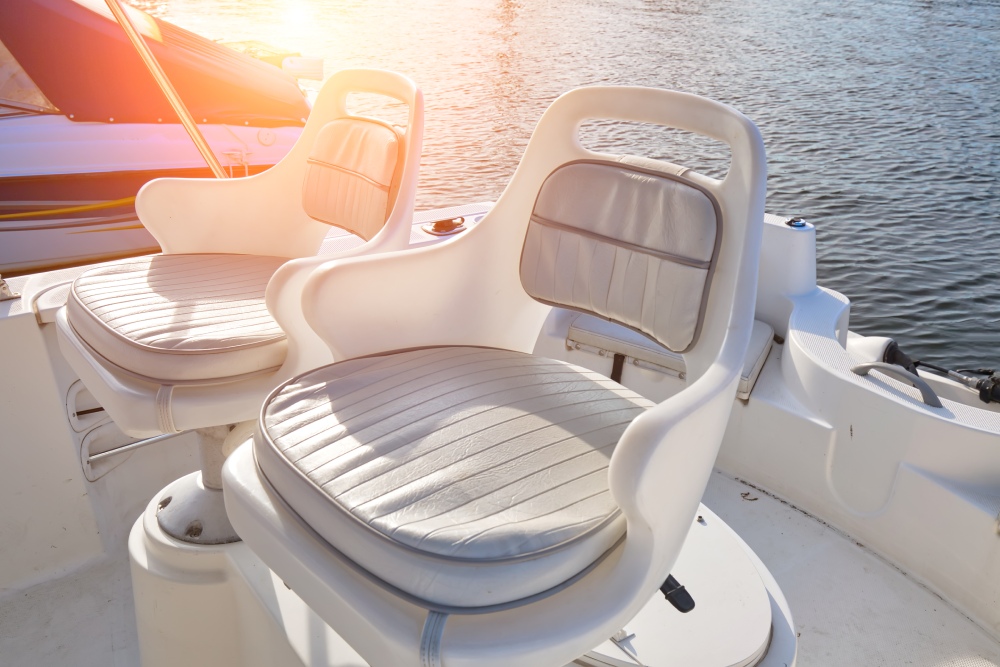
Mold and mildew stains on boat seats stem from trapped moisture, poor airflow, and prolonged storage, not from a single cause that a single product can fix permanently. A gentle rinse, a marine-safe cleaner, a soft brush, and a full drying cycle remove most staining without damaging vinyl or fabric. Breathable covers, early spot treatment, and improved ventilation during storage help prevent stains from returning. Interior surfaces need the same care as seats, since carpeting and compartments face similar humidity issues.
Boat seats take on a lot throughout the season. Sun, humidity, splashing water, and long stretches in storage all create the perfect setup for mold and mildew stains to form on vinyl and fabric surfaces. If your seats have started showing dark spots or a musty smell, you’re dealing with a common issue among boat owners, not a lost cause.
Knowing how to get mold off boat seats the right way can restore their color and extend the life of the material without harsh scrubbing or damaging the vinyl coating.
At Slimy Grimy Inc., we’ve spent more than 50 years working with marine surfaces. We know how stubborn these stains can be, especially in humid climates or when a boat sits covered for weeks at a time. Here’s what tends to work.
Removing mold stains from boat seats comes down to using the right approach, not necessarily the strongest chemical you can find. Vinyl and marine-grade fabric can scratch, fade, or crack if scrubbed with the wrong tools.
A general process looks like this:
You can find real before-and-after boat seat results by following these steps to see what’s realistic to expect, depending on how old or deep the staining is.
Standard bathroom sprays or bleach-based products can strip color from vinyl, dry out the material, and weaken stitching over time. Marine environments call for something formulated specifically for saltwater exposure, UV damage, and the type of buildup that forms on boats.
Boat stain removers designed for marine use tend to break down organic staining without stripping the protective coating that keeps seats flexible. Look for a formula that’s marine-safe, biodegradable, and made in the USA if you want something with a track record on actual boats rather than lab conditions alone.
A soft brush, a bucket of warm water, and a cleaner designed for marine vinyl usually cover most seat-cleaning jobs. Pressure washers should be used with caution, since high pressure can force water and cleaner into seams, causing mildew staining beneath the surface where you can’t see it.
Cleaning the stain is only part of the job. If the conditions that caused it stay the same, mold and mildew staining tend to return within weeks. Boat seats hold onto moisture more than people expect, especially where cushions meet the frame or where stitching creates small pockets for water to collect.
A few habits make a real difference:
Seats are usually the most visible spot, but mold and mildew can spread to interior panels, carpeting, and storage compartments too. The same humid, low-airflow conditions that affect seat cushions also affect enclosed cabin spaces, sometimes without an owner noticing until the smell becomes obvious.
Interior surfaces respond well to the same general approach: gentle cleaning, full drying, and improved airflow going forward. Carpeted areas benefit from a wet vacuum after cleaning to remove trapped moisture. Leaving the carpet damp after a cleaning session often makes staining worse rather than better.
Storage compartments do well with moisture absorbers placed inside during off-season months, particularly in climates with high humidity year-round.
Boats kept in covered marinas or shaded slips tend to experience more interior staining than boats stored in open, sunny areas, simply because airflow and UV exposure both help keep mold from taking hold.
A boat that gets regular care holds its value and stays more pleasant to spend time on. Mold and mildew staining is manageable with the right cleaning routine and a bit of attention to storage habits between trips.
Dealing with a small spot on one cushion or staining across the whole interior? Small, consistent care goes a long way toward keeping seats and surfaces looking their best.
Contact us if you’d like guidance on the right products for your boat’s specific seating material or interior surfaces.
Bleach can strip color from vinyl and weaken stitching over time. Marine-safe cleaners formulated for vinyl and fabric remove staining without breaking down the material’s protective coating.
Cleaning after any wet trip and once monthly during humid seasons keeps stains from setting in. Spots lifted early come off far more easily than stains left untreated for weeks.
High pressure can push water into seams and stitching, creating hidden pockets where mold staining may develop. A soft brush and hand rinsing work better for cushions and upholstered surfaces.
Trapped moisture under sealed covers is a common cause, along with storing seats before they fully dry. Airflow and dryness matter as much as the cleaning product used.
Both come from similar humid, low-airflow conditions, but interior mold often spreads unnoticed in carpeting and compartments. Wet vacuuming and moisture absorbers help manage staining in enclosed spaces.
I recently discovered Slimy Grimy for getting rid of rust in tanks. It works great and won’t hurt the paint.
I LEFT THE BOAT in the water for a week of scalloping & Fishing and got the nice stain line on the boat. My neighbor had some Slimy Grimy in a spray bottle & sprayed it on the line along with a rust stain from the dive ladder screws and it was amazing how Slimy Grimy cleaned the boat.


Slimy Grimy Inc.
slimygrimy@slimygrimy.com
(281) 468-5217
1-800-922-3097