
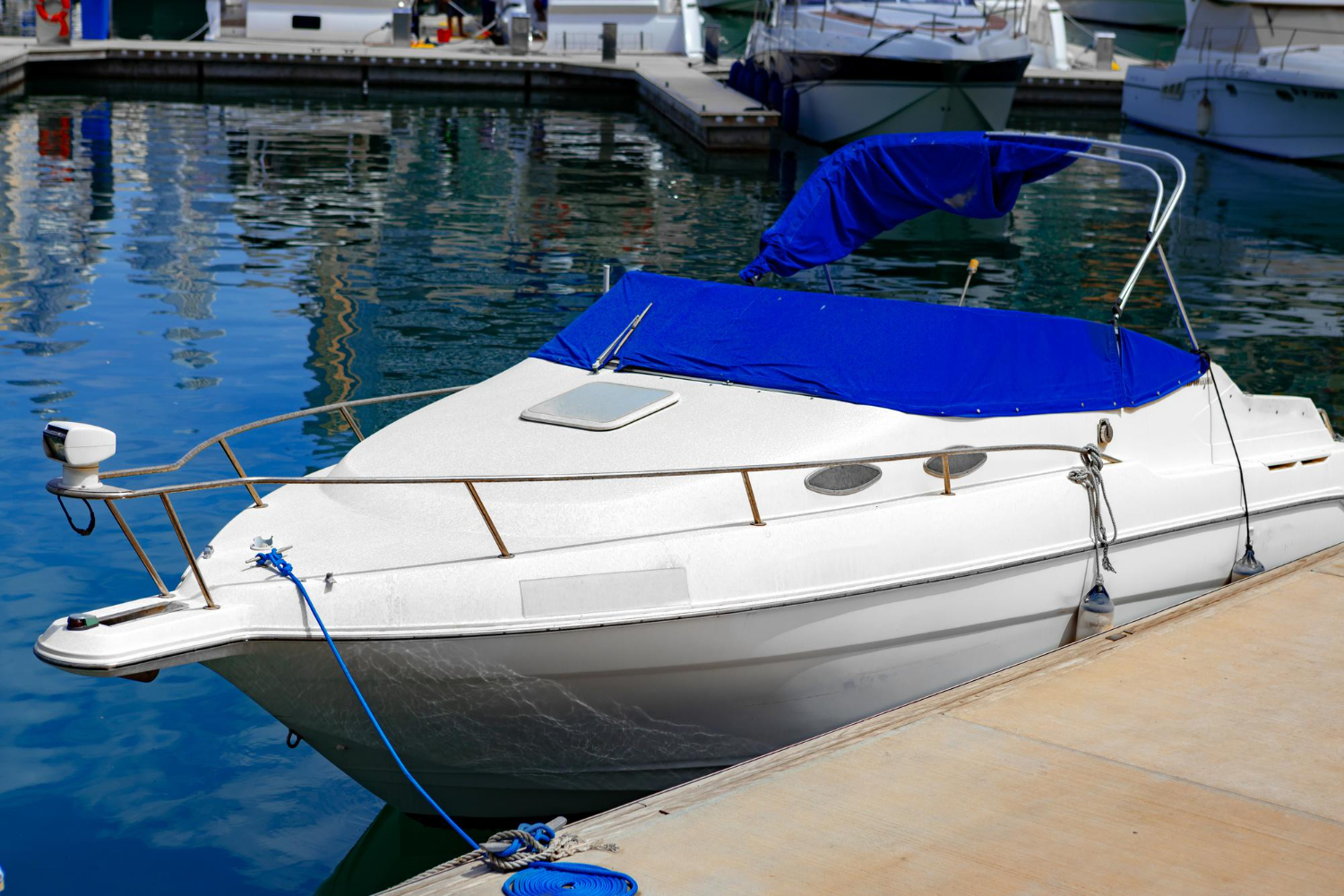
Quick SummaryFiberglass boats require consistent cleaning to keep gelcoat surfaces looking bright and well maintained throughout the boating season. Waterline stains, dirt, mineral deposits, and environmental residue can gradually affect the surface appearance. A careful routine combines appropriate cleaners, soft brushes, thorough rinsing, controlled drying, and regular maintenance to keep fiberglass surfaces clean without unnecessary abrasion or harsh treatment. |
Cleaning a fiberglass boat requires an approach that balances effective stain treatment with careful protection of the gelcoat surface. Fiberglass boats regularly encounter saltwater, sunlight, mineral deposits, dirt, and other environmental residue that can affect their appearance over time. Using suitable marine cleaning products and gentle tools helps maintain the finish while addressing visible staining without relying on aggressive scrubbing methods.
A consistent cleaning routine also makes regular maintenance easier throughout the boating season. Fresh stains and residue can become increasingly difficult to address when it remains on the surface for extended periods, particularly around the waterline and other exposed areas. Regular washing, targeted stain treatment, thorough rinsing, and sensible finish care can keep the boat looking clean and ready for regular use.
Before starting, gather a marine-safe cleaner suitable for fiberglass, a soft-bristle brush, clean water, microfiber towels, protective gloves, eye protection, and a hose with an adjustable spray nozzle. Having these necessary tools nearby creates a smoother cleaning process and reduces interruptions during each stage. A second bucket can also help separate cleaning solution from rinse water when working across larger surfaces.
The selected cleaner should match the type of cleaning required and remain compatible with fiberglass and its finish. Routine washing typically calls for a gentle marine cleaning solution, while stubborn discoloration can require a product formulated for specific marine stains. Read product directions carefully before application, especially when working with specialized boat stain removers, because different formulas can have distinct surface and application requirements.
Start by rinsing the fiberglass surface thoroughly with fresh water before applying any cleaning solution. This initial rinse loosens sand, dust, and other surface debris that could create unnecessary abrasion during brushing. Work from higher areas toward lower sections so loosened residue moves away from surfaces that have already received attention. A controlled rinse also gives you an opportunity to inspect the hull before deeper cleaning begins.
After rinsing, examine the fiberglass carefully under good lighting and identify areas with persistent discoloration. Waterline staining, mineral deposits, dirt buildup, and other marks can require different treatment approaches, so avoid applying one strong cleaner indiscriminately across the entire boat. A deliberate inspection helps determine where routine washing should be sufficient and where targeted treatment with suitable marine cleaning products is appropriate.
Apply a suitable marine cleaning solution to manageable sections rather than attempting to treat the entire boat simultaneously. Use a soft-bristle brush or appropriate wash mitt and work with controlled strokes across the fiberglass surface. Gentle pressure helps loosen dirt while reducing unnecessary abrasion against the gelcoat, particularly when small particles remain after the initial rinse.
Work systematically from cleaner sections toward areas with heavier residue, rinsing the cleaning tool regularly to prevent loosened debris from being redistributed. Avoid allowing cleaning solutions to dry on the surface, particularly during warm or sunny conditions, unless product directions specifically allow that application method. Maintaining a controlled workflow makes it easier to monitor progress and identify areas requiring additional attention.
Some fiberglass surfaces develop persistent discoloration around the waterline, exhaust areas, fittings, or locations exposed to repeated moisture and environmental residue. These areas can require targeted treatment instead of repeated scrubbing with ordinary soap. Choose boat stain removers according to the surface compatibility and staining situation, then follow the product directions carefully during application and rinsing.
Apply specialized stain treatments to manageable sections and use suitable protective equipment during the process. A small inconspicuous test area can help confirm that the selected product behaves appropriately on the existing finish before treating a larger section. After treatment, rinse the surface thoroughly so cleaning residue does not remain behind, then inspect the area again once the fiberglass has dried.
Once washing and targeted stain treatment are complete, rinse the entire fiberglass surface thoroughly with fresh water. Pay particular attention to seams, fittings, recessed areas, rails, and other locations where cleaning solution can remain trapped. A complete rinse removes loosened residue and remaining cleaner while helping reveal any areas that require another controlled treatment.
Drying also deserves attention because standing water can leave visible spots and mineral residue as it evaporates. Use clean microfiber towels on suitable smooth surfaces, working gently without dragging abrasive particles across the gelcoat. Allowing the boat to dry completely also makes it easier to inspect the finish and identify areas that require polishing or additional stain treatment during a later maintenance session.
Regular boat maintenance helps reduce the buildup that can make deeper cleaning increasingly demanding throughout the season. Rinse the fiberglass with fresh water after boating, address new staining promptly, and wash the surface according to the vessel’s usage and storage conditions. Consistent attention can keep environmental residue from accumulating heavily between larger cleaning sessions.
After cleaning, inspect the gelcoat for dullness, uneven appearance, remaining staining, or other visible changes that require attention. If the surface has become oxidized or noticeably dull, polishing and appropriate protective treatment can help restore its appearance when performed according to product directions. Keeping a simple maintenance schedule also helps track recurring problem areas and keeps routine care manageable.
A lasting fiberglass shine comes from consistent care rather than aggressive cleaning, with suitable products and gentle techniques working together across every maintenance session. Slimy Grimy Inc. combines decades of marine cleaning experience with a family-owned heritage, Made in the USA production, and practical solutions for challenging marine stains. Contact us to explore cleaning options designed for fiberglass boats and other marine surfaces.
Fiberglass surfaces should receive routine rinsing after significant exposure, with deeper cleaning scheduled according to staining, usage, and storage conditions.
Some formulas can affect finishes, so always confirm surface compatibility, follow directions carefully, and test an inconspicuous area first.
A soft-bristle marine brush can loosen surface residue while reducing unnecessary abrasion against the fiberglass finish during routine washing.
I recently discovered Slimy Grimy for getting rid of rust in tanks. It works great and won’t hurt the paint.
I LEFT THE BOAT in the water for a week of scalloping & Fishing and got the nice stain line on the boat. My neighbor had some Slimy Grimy in a spray bottle & sprayed it on the line along with a rust stain from the dive ladder screws and it was amazing how Slimy Grimy cleaned the boat.


Slimy Grimy Inc.
slimygrimy@slimygrimy.com
(281) 468-5217
1-800-922-3097