
Quick SummaryTeak boat decks often require careful cleaning methods because harsh chemicals, abrasive tools, and excessive scrubbing can affect the surface finish. The best approach combines suitable wood-safe cleaners, soft brushes, clean water, protective equipment, and controlled application techniques. Proper preparation also helps tackle marine stains on teak boat decks while preserving the deck’s appearance, texture, and existing protective treatment. |
Knowing what to use to clean a teak boat deck starts with understanding the wood species, existing finish, and type of staining present on the surface. Marine environments can expose decks to dirt, moisture, mineral residue, and marine stains that require targeted attention. Selecting compatible cleaning products and gentle tools helps keep the surface clean without creating unnecessary wear or affecting its finished appearance.
The goal should extend beyond removing visible dirt from the surface. A suitable cleaning process should protect the finish while addressing discoloration through controlled application and thorough rinsing. This becomes especially important around boats and marine environments, where repeated moisture exposure can create persistent staining that requires thoughtful maintenance.
The necessary cleaning supplies for a teak boat deck should include a wood-compatible marine cleaner, soft-bristle brush, clean water, bucket, microfiber cloths, protective gloves, and suitable eye protection. A garden hose can also help with controlled rinsing, while a low-pressure sprayer can assist with larger surfaces when used according to appropriate cleaning practices. These basic supplies create a practical setup without relying on abrasive equipment.
Before applying any cleaner, inspect the deck for loose boards, damaged finish, exposed fasteners, cracks, or areas requiring repair. Testing the selected product on a small inconspicuous section can help identify unwanted reactions before treating the entire surface. Keep the necessary cleaning supplies within reach, because stopping repeatedly during application can make the cleaning process less consistent and harder to control.
Teak boat decks can have different finishes, coatings, and levels of weathering, so the cleaning product should match the surface being treated. A marine-safe cleaner formulated for appropriate applications can help address staining while reducing the need for aggressive scrubbing. Product directions should always guide dilution, application, contact time, and rinsing because different formulas can have distinct requirements for safe and effective use.
Boat stain removers can also be useful when marine stains have developed across wooden surfaces, particularly around areas exposed to persistent moisture and water contact. However, a stain-focused product should only be used when its label indicates compatibility with the specific wood and finish. Avoid assuming that a product suitable for fiberglass, metal, or other marine surfaces will automatically suit finished wood.
Cleaning a teak boat deck without damaging the finish requires controlled pressure and appropriate brushing techniques throughout the process. Apply the cleaning solution across manageable sections instead of saturating the entire deck at once, then work with the grain using a soft-bristle brush. Gentle strokes can loosen surface residue while reducing unnecessary abrasion that aggressive scrubbing can create on finished wood.
Allow the cleaner to work according to its directions rather than trying to compensate for insufficient contact time through excessive brushing. Keep the surface appropriately wet during the cleaning process when the product instructions call for it, particularly during warm weather. After each section has been treated, rinse thoroughly with clean water while paying attention to seams, edges, corners, and recessed areas.
Rinsing plays an important role in cleaning a teak boat deck because leftover cleaning solution can affect the finish if it remains on the surface. Use a garden hose or another suitable low-pressure method to rinse away loosened residue and cleaning solution without directing excessive force against the wood. Work systematically across the deck so treated areas receive thorough and consistent rinsing.
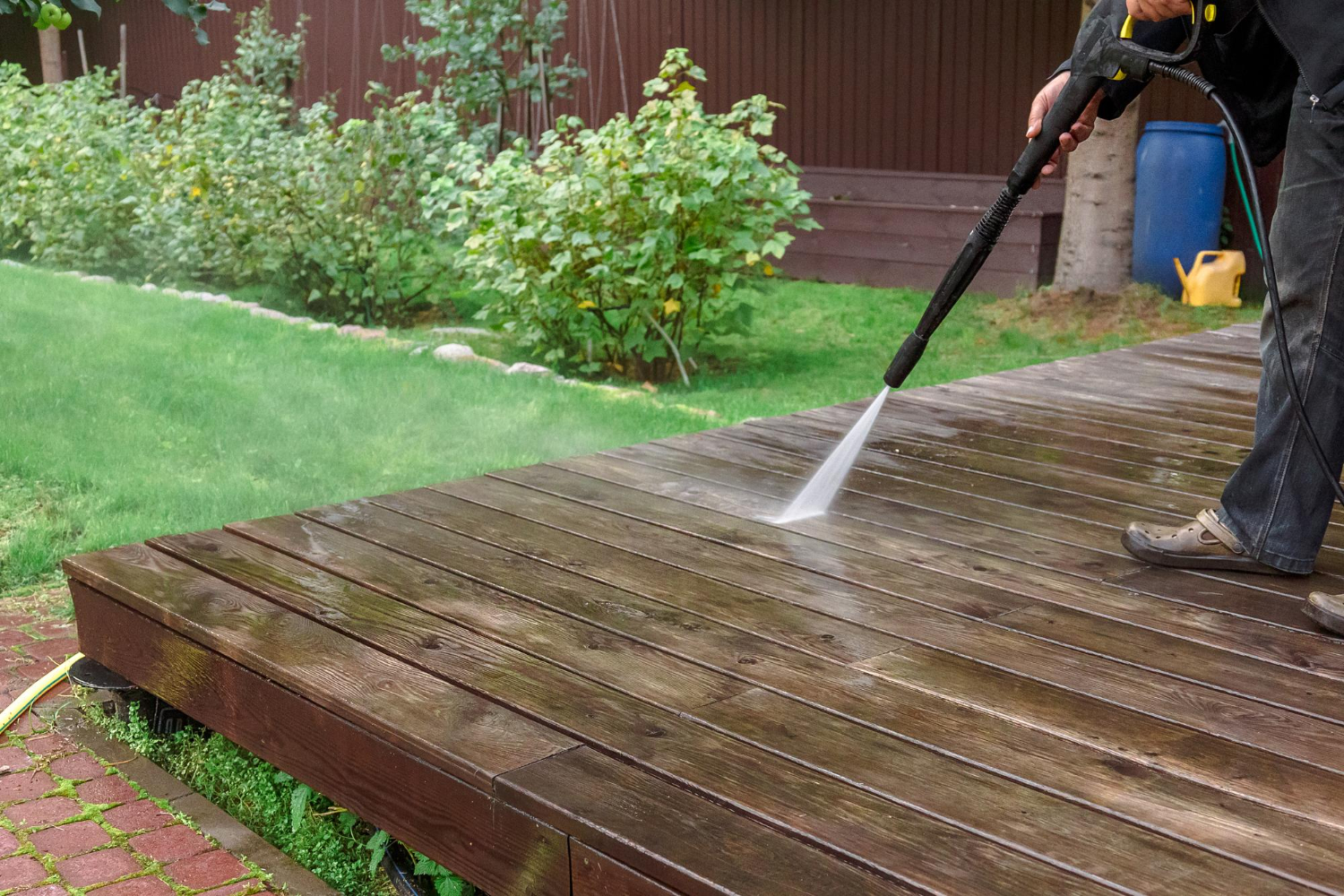
High-pressure washing can create problems when used incorrectly because excessive pressure can roughen wood fibers, damage finishes, and force water into vulnerable areas. For that reason, gentle rinsing generally offers a safer approach for finished wood surfaces during routine cleaning. Once rinsing is complete, allow the deck to dry naturally or use clean microfiber materials on suitable surfaces without dragging abrasive debris across the finish.
Cleaning should not end when visible staining has disappeared, because routine maintenance helps keep wood surfaces in better condition between deeper cleaning sessions. Remove loose dirt regularly, address fresh staining promptly, and rinse away marine residue after significant exposure. These simple practices can reduce the buildup that makes future cleaning sessions increasingly demanding for boat owners.
Inspect the finish after the deck has dried completely, looking for areas with remaining discoloration, uneven appearance, or signs of surface wear. Photographs taken before and after cleaning can help track changes and identify recurring problem areas over time. A consistent maintenance routine, combined with suitable products and necessary cleaning supplies, helps preserve the appearance of a teak boat deck while keeping cleaning methods practical.
A successful teak boat deck cleaning routine depends on matching the cleaner to the surface, using gentle tools, following product directions, and rinsing thoroughly after every treatment. Slimy Grimy Inc. offers marine-focused cleaning solutions backed by decades of family ownership, American manufacturing, and practical experience with challenging marine stains. Contact us to learn about suitable cleaning options for your boat deck and other marine surfaces.
A soft-bristle brush with appropriate stiffness can loosen residue effectively while reducing unnecessary abrasion against finished wood surfaces.
Some formulas can suit wood, but product labels should confirm compatibility with the specific wood and finish before application.
Use compatible cleaners, soft brushes, controlled pressure, thorough rinsing, and careful application techniques suited to the finished surface.
Gather a suitable cleaner, soft-bristle brush, clean water, bucket, gloves, eye protection, microfiber cloths, and a garden hose.
I LEFT THE BOAT in the water for a week of scalloping & Fishing and got the nice stain line on the boat. My neighbor had some Slimy Grimy in a spray bottle & sprayed it on the line along with a rust stain from the dive ladder screws and it was amazing how Slimy Grimy cleaned the boat.
I recently discovered Slimy Grimy for getting rid of rust in tanks. It works great and won’t hurt the paint.


Slimy Grimy Inc.
slimygrimy@slimygrimy.com
(281) 468-5217
1-800-922-3097