
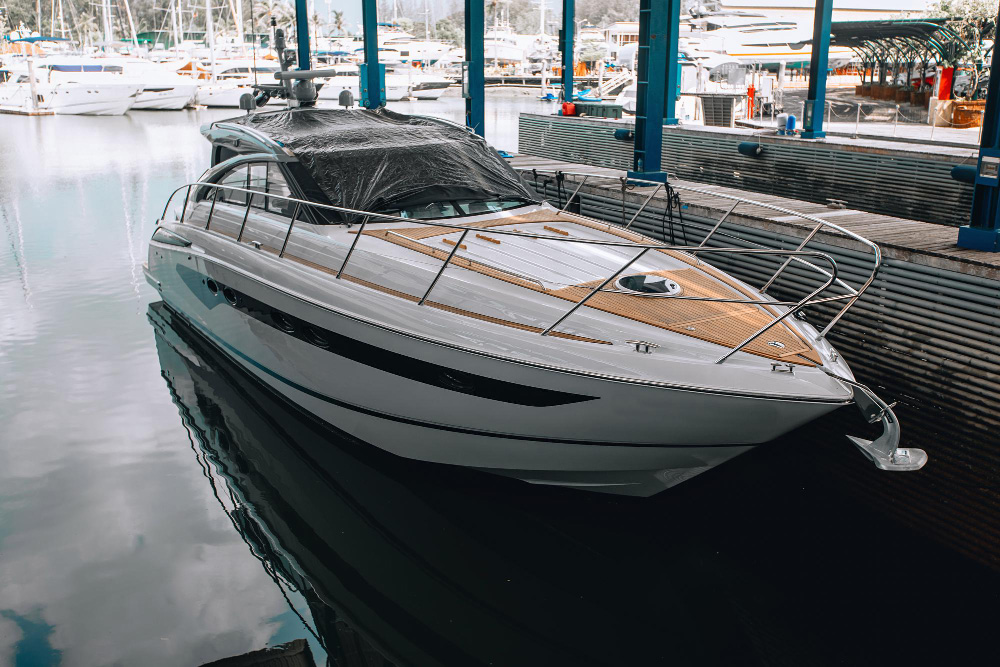
Algae stains work their way into the pores of the hull and become more difficult to remove with every season they are ignored. Addressing them early is much easier than dealing with extensive restoration later. Using a marine-safe algae stain remover, allowing adequate dwell time, and scrubbing with a soft-bristle brush delivers better results than aggressive cleaning methods. Applying a protective sealant after cleaning helps slow future staining. Consistent rinsing and regular waterline inspections make long-term maintenance much more manageable.
Algae on boat surfaces may seem like a small issue at first, but it can quickly become a frustrating problem. A faint green film around the waterline can gradually penetrate the gelcoat or hull surface, leaving behind yellow and brown stains that a basic rinse cannot remove.
At Slimy Grimy Inc., we understand how rapidly a well-maintained vessel can begin to look neglected when algae stains are left untreated. Fortunately, restoring your boat’s appearance is entirely achievable with the right products and cleaning methods.
Algae staining bonds into microscopic pores in the hull rather than sitting on top of the surface. This is why a simple hose-down rarely produces results. Over time, the discoloration deepens, gelcoat becomes more porous, and the staining gets harder to lift with each passing season.
Beyond appearance, algae stains can trap moisture against the surface. On fiberglass hulls, this creates conditions conducive to corrosion around fittings and hardware. On aluminum, it can accelerate deterioration if left unchecked. A boat that looks neglected also loses value. Getting ahead of the staining early is far less work than dealing with a heavily fouled hull at the end of a long season.
The type of surface also affects the cleaning process. Gelcoat above the waterline is porous and susceptible to deep staining, so it requires a gentler approach to preserve its shine. Antifouling paint below the waterline demands different treatment because harsh scrubbing can damage the coating.
The cleaning process comes down to chemistry and patience, not brute force. Scrubbing hard on gelcoat without the right product does more damage than good.
Here’s a practical sequence to follow:
Our Slimy Grimy Granular is a trusted option for tackling marine stains on boat surfaces. It works well mixed with water in a pump sprayer for larger areas.
Cleaning is only one part of the process. Once stains are gone, applying a marine-grade wax or polymer sealant adds a protective barrier that slows future buildup. A protected surface is also easier to clean during the next maintenance cycle because algae stains cannot adhere as easily.
Look for boat stain removers and protective coatings that are formulated as marine-safe options. Harsh acids can strip gelcoat and cause lasting damage, so product choice matters as much as technique.
A few common mistakes make the job harder than it needs to be:
Staying ahead of algae staining is a lot simpler than restoration. A quick rinse after every outing removes salt and loose debris before they have a chance to settle. A visual check of the waterline every few weeks means you catch new staining early, when a light cleaning pass is all it takes.
Boats stored outdoors or used frequently in warm, humid conditions may need more regular attention. A good cover between uses also reduces how much accumulates on the surface.
Algae staining is frustrating, but it is a problem with a practical solution. Using the proper products and maintaining a consistent routine makes it much easier to restore a clean, polished finish. Early treatment always requires less effort than trying to reverse years of accumulated buildup.
Have questions about which products suit your hull type or need guidance on tackling a heavily stained surface? Contact us today.
Algae stains left untreated for extended periods can penetrate deeper into the gelcoat pores, making them progressively harder to lift. Repeated neglect over multiple seasons can compromise the gelcoat’s integrity and increase its porosity, leaving the surface more vulnerable to future staining.
Yes. Warm, nutrient-rich water promotes faster algae growth. Boats used in tropical and subtropical climates often experience quicker buildup around the waterline and may require more frequent cleaning throughout the season.
Antifouling paint requires a gentler approach than gelcoat. Aggressive scrubbing or strong chemical formulas can break down the antifouling coating itself. Use a soft pad with light pressure and a marine-safe cleaner, and avoid anything abrasive on painted underwater surfaces.
I recently discovered Slimy Grimy for getting rid of rust in tanks. It works great and won’t hurt the paint.
I LEFT THE BOAT in the water for a week of scalloping & Fishing and got the nice stain line on the boat. My neighbor had some Slimy Grimy in a spray bottle & sprayed it on the line along with a rust stain from the dive ladder screws and it was amazing how Slimy Grimy cleaned the boat.


Slimy Grimy Inc.
slimygrimy@slimygrimy.com
(281) 468-5217
1-800-922-3097